- +237 671 586 509
- Mon-Fri: 7.30am-3.30pm

Close
Exploring the psychology behind decisions in a casino environment
01Mar’26
The Allure of Risk: Understanding Gambling Behavior
The psychology of decision-making in a casino environment is profoundly influenced by the allure of risk and reward. Visitors are drawn to the thrill of potential wins, often overlooking the reality of losses. This phenomenon is rooted in behavioral psychology, where the excitement of uncertainty can trigger dopamine responses in the brain. Such reactions create an emotional high, making the decision to gamble feel exhilarating, even if the odds are stacked against the player. Many players seek the top online casinos in canada for this very thrill, hoping for big wins against the odds.

Moreover, individuals often underestimate the probabilities associated with various games, which contributes to the continuation of gambling behavior. People may believe they are ‘due’ for a win after a series of losses or may be swayed by anecdotal success stories. This cognitive bias can lead to poor decision-making, further entrenching individuals in gambling activities.
The Role of Environment in Decision-Making
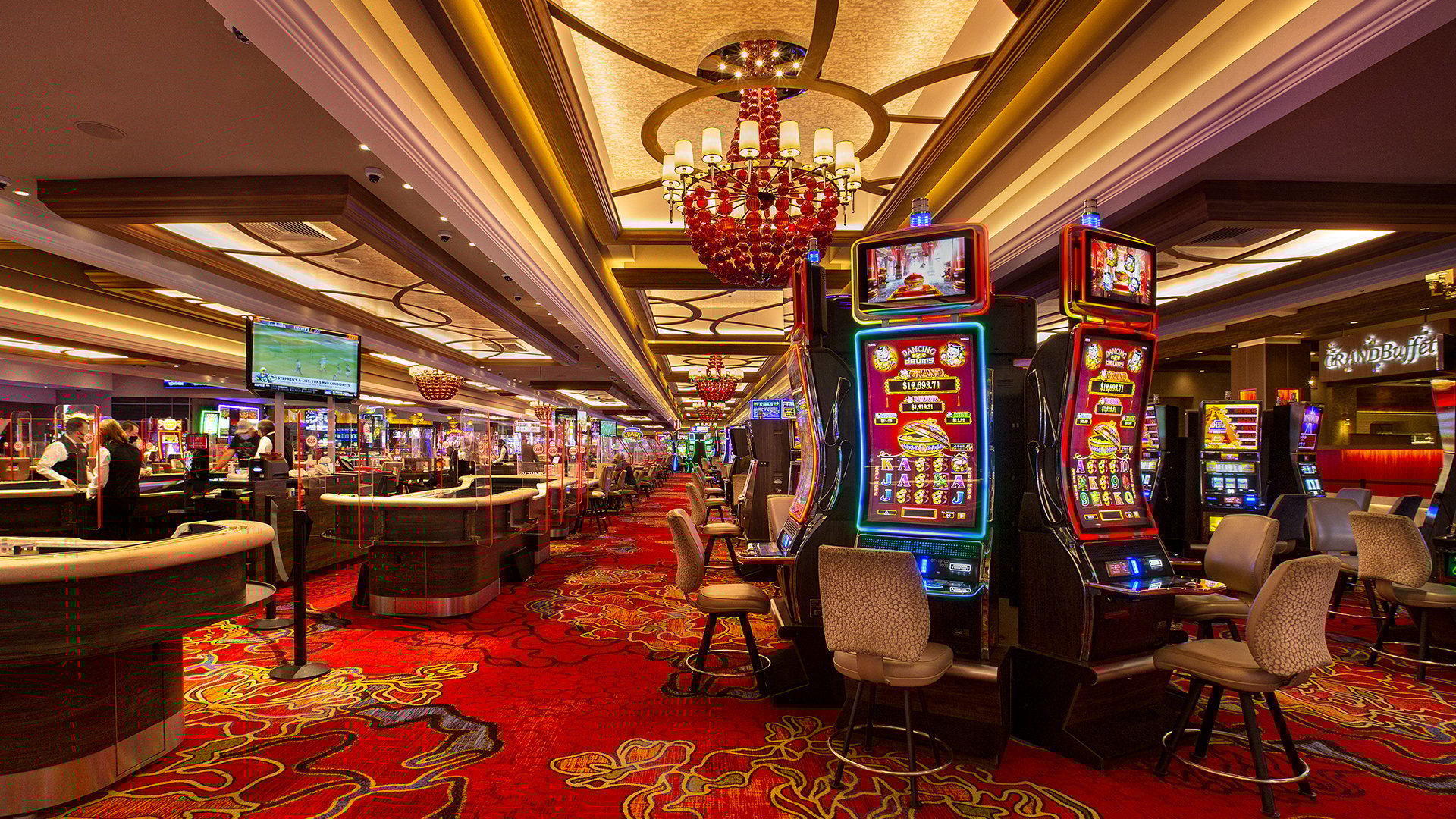
The casino environment is meticulously designed to enhance the gambling experience and influence decision-making. Factors such as lighting, sound, and layout play critical roles in creating an immersive atmosphere. Bright lights and celebratory sounds from slot machines amplify the emotional highs and can alter perception, making players feel that wins are more frequent than they are.
Additionally, the layout discourages easy exits, encouraging players to spend more time inside the casino. The absence of windows or clocks creates a sense of timelessness, further steering individuals away from considering the implications of their financial choices. This strategic manipulation of environment can perpetuate impulsive behavior, leading to greater losses.
The Influence of Social Dynamics
Social dynamics significantly impact decision-making in a casino. The social aspect of gambling can drive people to engage in riskier behavior, as they often seek validation or thrills from peers. This phenomenon is commonly observed in games such as poker, where competitive spirits are high and decisions are influenced not only by personal strategy but by the reactions of others.
Furthermore, the presence of other gamblers can create a bandwagon effect, encouraging players to increase their bets or continue playing longer than they might otherwise choose. Group mentality can skew individual decision-making, leading to an escalation of commitment that might not occur in solitary settings.
Emotional Factors and Decision Fatigue
Emotions play a pivotal role in the decisions made in casinos, often leading to emotional gambling, where players make choices based on feelings rather than rational thought. For example, feelings of euphoria can lead to increased betting, while frustration may drive players to chase losses, creating a cycle of poor decision-making.
Over time, players may experience decision fatigue, where the quality of their choices deteriorates as they continue gambling without breaks. As individuals become tired or overwhelmed by the vast choices available, they may revert to simpler, more impulsive decisions, often resulting in unfavorable outcomes.
Ensuring a Safe Gambling Experience
Understanding the psychological aspects of decision-making in a casino environment is crucial for promoting responsible gambling. It’s vital for casinos to implement measures that protect players from making impulsive choices. By providing resources and information on responsible gambling, casinos can empower players to make informed decisions, mitigating the risks associated with gambling.
Combining a secure environment with awareness strategies can significantly enhance the overall experience for players, ensuring their safety while they navigate through exciting gaming options.
